In-home health care is an essential component of modern healthcare services, providing medical and supportive care within the comfort of one’s home. This comprehensive guide covers the key aspects, benefits, challenges, and frequently asked questions about in-home health care. As healthcare becomes increasingly patient-centric, there’s a growing emphasis on services that cater to individual needs in the familiar confines of home. The rise of telehealth and home health care services has been driven by evolving patient expectations and technological advancements. Understanding the nuances of in-home health care can significantly empower patients and caregivers alike.
How Does In-Home Health Care Work?
In home health care involves a range of healthcare services provided in your home for an illness or injury. Essentially, it is about delivering the necessary medical and supportive services to a patient without requiring them to visit a hospital or a clinic. Health professionals like nurses, therapists, and home aides work closely with physicians to offer a comprehensive care plan tailored to the patient’s specific needs. Service delivery often involves scheduled visits by healthcare professionals who manage everything from wound care and medication management to monitoring chronic conditions. Patient engagement is critical, as successful in-home health care depends greatly on the active participation of the patient and their family in the care process.
The mechanics of in-home health care revolve around a collaborative model. Generally, it starts with a referral from a doctor who specifies the care needs and treatment goals. Following this, a detailed care plan is developed, which outlines the health services required, the frequency of visits, and expected outcomes. This plan is regularly reviewed and adjusted as necessary, ensuring the patient receives the most effective care. A balanced integration of medical expertise and technology ensures that patients receive high-quality care while maintaining their independence and comfort. By aligning health goals with patient preferences, in-home health care has significantly enhanced healthcare accessibility.
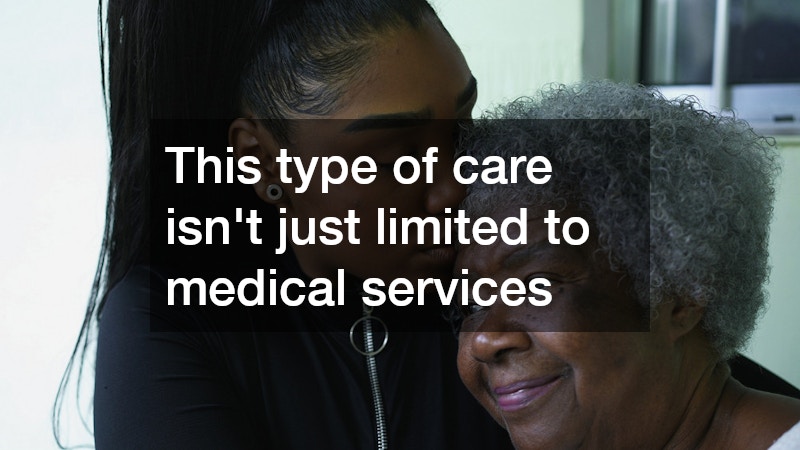
This type of care isn’t just limited to medical services; it often involves a mix of both health care and life assistance services. It’s notable that this model is adaptable, meaning services can be customized based on the patient’s condition and evolving needs. Patients can engage with a variety of telehealth services, such as remote monitoring systems that keep track of vital signs, thereby reducing the need for hospital visits. In-home health care has shown significant benefits in improving patient satisfaction and outcomes, often resulting in shorter recovery times and lower hospital readmission rates. Thus, in-home health services are a cornerstone of preventive care strategies designed to mitigate risks before they escalate.
Who Needs In-Home Health Care?
In-home health care proves to be particularly beneficial for certain demographics and individuals with specific health conditions. Elderly patients, especially those who live alone, often find in-home health services invaluable as it allows them to receive necessary medical care without leaving their homes. Similarly, individuals with chronic illnesses such as diabetes or heart disease can greatly benefit from regular monitoring and personalized care offered through home services. Post-surgery patients also find such services advantageous for rehabilitation in a controlled yet home-like environment. Notably, in-home health care is often tailored to serve not just medical needs but also enhance the psychological well-being by maintaining the familiar setting of home, which can be therapeutically beneficial.
In-home health care is not solely limited to those with overt medical needs; it’s increasingly popular among individuals seeking preventive health support. Those seeking to manage weight, improve mobility, or address mental health concerns can utilize services such as dietitian consultations or physical therapy from home. It offers a proactive approach by transforming homes into an accessible health hub, thereby preventing complications and promoting a healthier lifestyle. This reconciles the preventive care paradigm with convenience, allowing individuals to lead healthier lives sustainably. By personalizing care plans, in-home health care complements patient goals in leading more fulfilling and healthy lives.
What Are the Benefits and Drawbacks of In-Home Health Care?
In-home health care offers numerous advantages, making it an appealing option for many patients and families. A primary benefit is the ability for patients to receive personalized care tailored to their unique needs and health situations. The individual attention often translates to more effective and responsive care plans, as healthcare providers can make assessments in real-time and adapt treatments accordingly. Another significant advantage is the convenience factor; patients can maintain their daily routines without the disruption of travel to healthcare facilities. This approach fosters a sense of independence and comfort for patients, significantly enhancing their overall quality of life.
In-home health care plays a pivotal role in modern healthcare, balancing the need for quality care with the preference for home-based services. It is important for individuals to understand how these services can be best utilized for their unique needs. By addressing both medical conditions and personal preferences, in-home health care reflects an evolving landscape where patient-centricity is key. As medical technologies and healthcare policies strive to keep up with these preferences, the importance of making informed choices about home health options cannot be overstated. For many, the blend of convenience, personalized care, and the availability of a familiar home environment embodies the ideal healthcare experience, offering a promising outlook for the future of healthcare.